
Water damage restoration in Nashville is not just about removing water. It is about protecting your property, your tenants, your business operations, and your long-term investment. In Davidson County, heavy rainstorms, flash flooding near the Cumberland River, frozen pipe breaks in winter, and aging plumbing systems in historic neighborhoods like East Nashville and Germantown all create real risk.
If your home in Brentwood floods overnight or your commercial building in downtown Nashville experiences a sprinkler line failure, what happens next? Here is exactly what to expect after flooding in Nashville, TN and how Rytech Restoration of Nashville guides property owners, managers, and insurance professionals through each phase of recovery.
Immediate Safety After Flooding in Davidson County
The first moments after discovering water damage can feel overwhelming. Water spreads quickly through drywall, flooring, and insulation. Electricity, gas lines, and saturated building materials create hazards that are not always visible.
Shutting off electricity to the affected area will prevent electrical shock. Turning off gas where appliances were impacted will reduce risk. Entering flooded areas without protective equipment exposes you to contaminants, especially if stormwater from Nashville’s streets has entered the building.
Until trained professionals arrive, limit movement in the affected area. Rubber boots, gloves, and masks reduce exposure, but a controlled response by certified technicians will protect both people and property more effectively.
Professional Water Damage Assessment in Nashville Properties
Once our team arrives, we follow the ANSI/IICRC S500 Standard for Professional Water Damage Restoration . This standard defines how restoration professionals inspect, categorize, and document water damage in residential and commercial buildings.
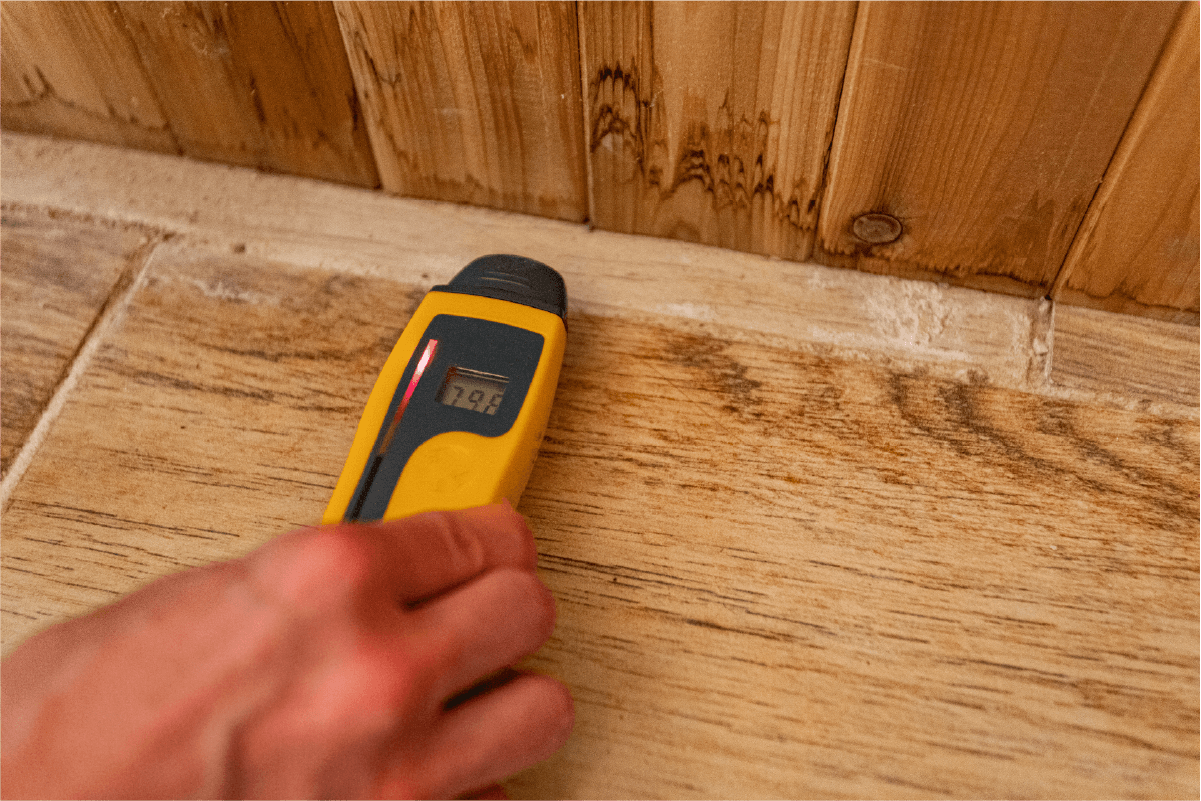
We inspect visible damage, but we also measure what cannot be seen. Moisture meters detect trapped water behind baseboards. Infrared cameras identify temperature differences that indicate hidden moisture inside wall cavities. Hygrometers measure humidity levels that influence drying strategies.
A retail space in Murfreesboro will behave differently than a historic home in Franklin with original hardwood flooring. Nashville construction varies from slab-on-grade foundations to raised crawlspaces. Accurate assessment determines what can be restored and what must be removed.
Understanding Water Categories and Contamination Levels
Not all floodwater carries the same risk. The ANSI/IICRC S500 standard defines three categories of water , and identifying the correct category shapes the restoration plan.
Clean water may come from a broken supply line or rain intrusion through a damaged roof. Gray water often originates from appliances such as washing machines. Black water includes sewage backups or floodwater that enters from outdoors, particularly during severe storms impacting Nashville and surrounding counties like Sumner and Williamson.
As time passes, clean water can deteriorate into a more contaminated category. Rapid response will reduce that progression and limit secondary damage.
Calling for 24/7 Water Damage Restoration in Nashville
Flooding does not wait for business hours. Burst pipes in Antioch or sprinkler malfunctions in Mount Juliet often happen overnight or during weekends.
Rytech Restoration of Nashville operates 24/7/365 because immediate action will reduce structural damage and shorten drying time. During your first call, we gather details about the source, timeline, and safety conditions. Our dispatch team mobilizes certified technicians equipped with advanced extraction and drying equipment.
If you are searching for professional <a href="https://nashville.rytechinc.com/" title="Water Damage Restoration Nashville TN">water damage restoration in Nashville</a>, our local team combines national brand strength with local expertise across Davidson, Rutherford, Wilson, and Maury counties.
Water Extraction and Structural Drying Science
Once onsite, we begin removing standing water using commercial extraction equipment. Removing bulk water quickly prevents deeper absorption into structural materials.
Drying is not guesswork. The ANSI/IICRC S500 outlines principles of psychrometry and controlled drying . We position air movers to create directional airflow and use commercial dehumidifiers to lower humidity. This combination will pull moisture from materials and reduce drying time.
Nashville’s humid summers demand careful monitoring. Daily moisture readings confirm progress and ensure materials reach appropriate drying goals. Fast, controlled drying will prevent microbial amplification and protect structural integrity.
Mold Prevention and Remediation in Tennessee’s Climate

Warm temperatures and humidity in Middle Tennessee create ideal conditions for mold growth after flooding. The ANSI/IICRC S520 Standard for Professional Mold Remediation establishes procedures for containment, removal, and post-remediation evaluation.
Our approach focuses on moisture control first. Without moisture, mold cannot continue growing. When contamination is identified, we establish containment barriers, use HEPA filtration, and remove affected porous materials that cannot be restored. Structural components are carefully cleaned to reduce airborne mold spores to normal indoor levels.
“Homes across Davidson County range from historic wood-framed structures to modern builds with engineered materials. We understand how these materials respond to water. Fast containment and professional drying will protect framing, subfloors, and interior finishes before mold becomes a larger issue.”
Alec Bailey, Owner, Rytech Restoration of Nashville
Structural Integrity and Hidden Damage Evaluation
Water weakens building materials over time. Swollen hardwood flooring in Franklin behaves differently than laminate flooring in Clarksville. Insulation in crawlspaces across Columbia or Smyrna may trap moisture long after visible water disappears.
We evaluate subfloors, framing, ceiling systems, and HVAC components using non-invasive tools. Infrared imaging identifies moisture patterns behind finished surfaces. Decisions are based on measurable data, not visual assumptions.
When materials can be restored, we preserve them. When they are no longer structurally sound or safe, we remove only what is necessary.
Salvaging Contents and Protecting Personal Property
Flooding impacts more than walls and floors. Furniture, documents, electronics, and inventory often sit directly in water.
Our technicians sort contents into categories. Restorable items are cleaned and disinfected. Electronics and documents may require specialized drying procedures. For commercial clients in Nashville’s business districts, packout services allow operations to continue while structural drying is underway.
Protecting what matters most supports both homeowners and property managers during recovery.
Insurance Documentation and Claims Guidance
Most property owners file a water damage claim only once or twice in their lifetime. The process can feel unfamiliar.
The ANSI/IICRC S500 includes administrative procedures and documentation requirements . We photograph affected areas, record moisture readings, and provide detailed scope documentation aligned with industry standards. Because Rytech maintains strong relationships with insurance carriers nationwide , we understand how to communicate clearly and efficiently.
Insurance agents and adjusters across Tennessee rely on professional documentation to support timely claim decisions. Our role is to provide accurate, transparent information.
Cleaning and Sanitizing After Flooding
Once materials are dried, cleaning and sanitizing begin. Surfaces exposed to contaminated water require EPA-approved disinfectant application according to manufacturer guidelines.
Porous materials that cannot be restored are safely removed. Structural components that remain are cleaned thoroughly. This process will reduce bacteria, contaminants, and odors, creating a safe indoor environment for occupants to return.
For commercial buildings in Nashville, Clarksville, and Murfreesboro, sanitation supports business continuity and employee safety.
Understanding the Restoration Timeline
Every loss differs, but most projects move through defined phases: emergency response, mitigation, structural drying, cleaning, and final documentation.
Drying typically requires several days, depending on material type and environmental conditions. Large commercial losses may extend beyond that timeframe. Variables such as water category, building layout, and HVAC performance influence duration.
Clear communication during each stage keeps property owners and referral partners informed.
Budget Planning and Cost Considerations
Water damage restoration costs depend on measurable factors. The extent of affected square footage, contamination category, and duration of exposure influence the final scope.
Localized pipe breaks in Mount Juliet will differ significantly from widespread storm flooding in Nashville neighborhoods near waterways. Transparent estimates aligned with industry pricing standards allow property owners to understand the scope and plan accordingly.
Detailed budgeting supports informed decisions.
Preventing Future Flooding in Nashville
After recovery, many clients ask how to reduce future risk. Installing sump pumps in vulnerable areas, elevating appliances in flood-prone basements, and improving exterior drainage will reduce repeat incidents.
In areas like Robertson and Sumner counties, proactive grading and gutter maintenance redirect water away from foundations. Preventive action reduces long-term exposure.
Choosing a Certified Water Damage Restoration Company in Nashville

Certification matters. IICRC-certified technicians follow recognized standards for water damage restoration and mold remediation . Experience in local construction types across Davidson County adds practical knowledge.
Rytech Restoration of Nashville combines advanced technology, centralized administrative support, and a national network with over 30 years of industry leadership . We respond quickly, document thoroughly, and prioritize restoring materials whenever possible.
When flooding disrupts your property in Nashville, Franklin, Brentwood, or surrounding Middle Tennessee communities, decisive action will protect your investment and accelerate recovery.
FAQs: Answering Your Pressing Water Damage Restoration Questions
At Rytech Nashville, we understand that water damage can be overwhelming. To help you during this challenging time, we've compiled a list of FAQs. Here, you'll find detailed information about our services, the restoration process, and what to expect when you work with us.