
Water damage can happen when you least expect it. A pipe bursts while you're at work, a storm sends rainwater through the roof, or a washing machine leaks across the laundry room floor. By the time you notice the problem, water may have already soaked into the flooring, drywall, and other building materials.
In Nashville, Tennessee, moisture problems deserve quick attention. Warm, humid summers, heavy thunderstorms, and occasional winter freezes create different kinds of water damage risks throughout the year. When building materials stay wet, mold can begin growing within 24 to 48 hours under favorable conditions. What starts as a small leak can turn into a larger cleanup project that affects indoor air quality, building materials, and daily routines.
The good news? Acting quickly after water damage can greatly reduce the chance of mold growth. Knowing where to look, how to control moisture, and when to bring in professional help can save you time, reduce unnecessary damage, and make recovery easier.
Whether you own a home in Davidson County, manage apartments in Antioch, or operate a business in downtown Nashville, this guide will help you understand how to prevent mold after water damage and what to expect from professional restoration services.
How to Identify Water Damage in Nashville Homes and Businesses
Water damage is not always easy to spot. Sometimes, you walk into a room and find standing water. Other times, the first sign is a small ceiling stain, peeling paint, or a musty smell coming from behind a wall.
Nashville properties face several common sources of water intrusion. Plumbing leaks can develop beneath sinks, behind toilets, and inside walls. Roof damage from thunderstorms and strong winds can allow rainwater to enter attics and ceilings. During freezing weather, exposed or poorly insulated pipes may burst when temperatures drop.
Heavy rainfall can also create problems in low-lying areas of Middle Tennessee. When storm drains become overwhelmed or water collects near a foundation, moisture may enter basements, crawl spaces, and ground-level rooms.
Building materials often reveal clues about hidden moisture. Wood flooring may cup or buckle, drywall can feel soft, and baseboards may begin pulling away from the wall. Carpet may feel damp even when no standing water is visible.
Older Nashville homes with wood framing and crawl spaces can experience moisture problems that develop beneath the living area. Newer homes with slab foundations may have water trapped beneath flooring or behind cabinets. Commercial buildings can face similar issues around rooftop HVAC units, restrooms, and shared plumbing systems.
If something looks, smells, or feels damp, investigate the source rather than waiting for visible mold to appear.
What to Do Immediately After Water Enters Your Property
Imagine arriving at your Nashville office on Monday morning and finding water spreading from a restroom into the hallway. Your first reaction may be to grab towels and start cleaning. Before doing that, identify the source of the water and check whether the area is safe.
Water near electrical outlets, appliances, or equipment can create hazards. Keep clear of affected electrical components and arrange for power to be shut off safely when necessary. If a plumbing fixture is leaking, turn off the nearest supply valve or the building's main water supply when you can access it safely.
Next, determine whether the water may be contaminated. Water from a broken drinking-water supply line is different from sewage, toilet overflow, or outdoor floodwater. Contaminated water requires specialized handling because it can carry unwanted microorganisms and other materials into the building.
Protect unaffected rooms by keeping foot traffic away from wet areas. Moving contaminated belongings through clean spaces can spread moisture and debris. For a small, clean-water spill, towels or a suitable wet vacuum can help remove surface water.
Larger water losses call for professional extraction equipment. Removing standing water promptly limits how far it can travel and gives affected materials a better chance of being dried and restored.
Rytech Restoration of Nashville helps property owners assess water intrusion, identify affected materials, and begin the mitigation process with a clear plan.
Drying Water-Damaged Areas Before Mold Develops
Removing standing water is only the beginning. Moisture can remain inside drywall, beneath flooring, and behind cabinets long after the visible puddles disappear.
Think about a kitchen leak in a Franklin home. You might dry the tile floor with towels and assume the problem is solved. But if water traveled beneath the cabinets or into the wall, those hidden areas may stay wet for days.
Begin by moving dry belongings away from the affected space. Small rugs and removable items exposed to clean water can be taken to a suitable drying area. Towels and mops can remove remaining surface moisture, but they cannot reach water absorbed deep into building materials.
Opening doors and windows may improve drying when outdoor air is cooler and drier than indoor air. During Nashville's humid summer months, however, outdoor air can add moisture to the building. In those conditions, controlled indoor drying with dehumidification is usually more effective.
Professional restoration technicians measure moisture levels in affected materials and use those findings to guide the drying process. This helps determine whether materials are actually dry rather than simply dry to the touch.
For homeowners and business owners, the goal is not to remove every damp surface. The goal is to dry and preserve materials that can be safely restored while identifying materials that cannot.
How Dehumidifiers and Air Movers Help Prevent Mold
Dehumidifiers and air movers work together to dry water-damaged buildings. Each performs a different task.
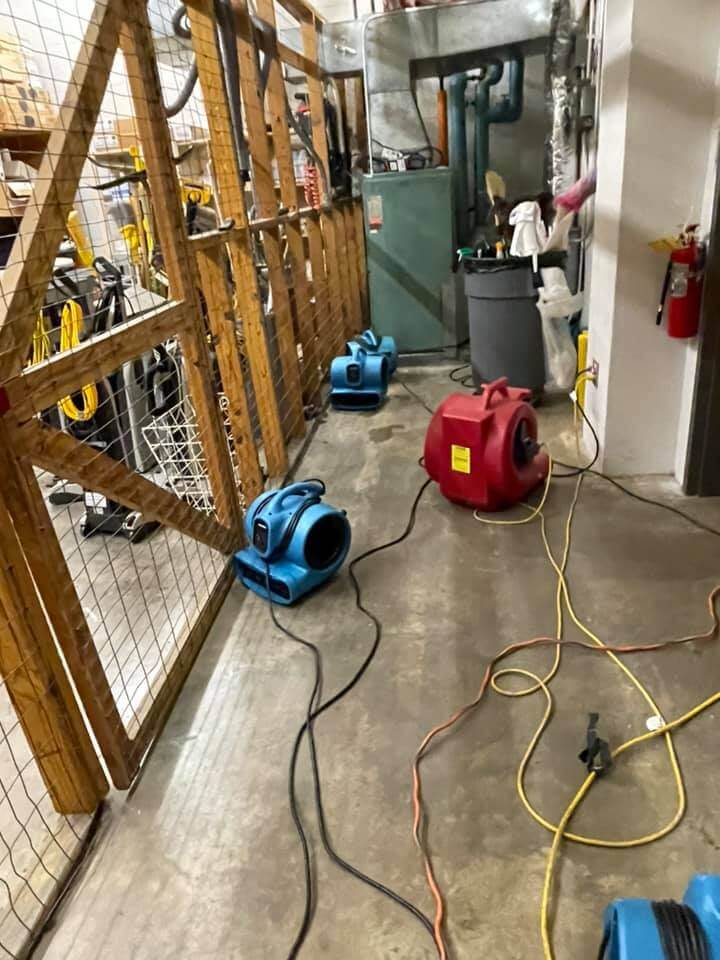
A dehumidifier removes moisture from the air. As the air becomes drier, moisture can evaporate more readily from wet materials. Air movers increase airflow across affected surfaces, helping that evaporation happen.
Equipment placement makes a difference. Air movers are positioned to move air across wet surfaces, while dehumidifiers manage moisture in the surrounding air. Simply pointing a household fan at a wet wall may leave moisture trapped behind the drywall.
Fans can also spread particles when mold growth or contaminated materials are present. Restoration technicians evaluate those conditions before choosing an airflow strategy.
Professional drying equipment may run continuously while technicians monitor progress. Drying time depends on the amount of water, the materials involved, room conditions, and how long the damage went unnoticed.
A supply-line leak discovered within an hour may require a different drying plan than a flooded commercial space that remained wet all weekend. Rytech Restoration of Nashville uses moisture measurements and drying science to track progress and establish when affected materials have reached appropriate drying goals.
When Wet Carpet, Drywall, and Insulation Need to Be Removed
After water damage, many property owners assume wet drywall and flooring must be torn out. That is not always the case.
Some materials can be dried and restored when the water source is suitable and mitigation begins quickly. Other materials may need removal because they are heavily contaminated, structurally damaged, or unable to be dried effectively.
Carpet affected by clean water may sometimes be restored. However, padding beneath the carpet can hold significant moisture and may require removal depending on its condition. Carpet exposed to sewage or outdoor floodwater generally requires a different assessment because of contamination concerns.
Drywall can absorb water through its paper facing and gypsum core. Depending on the extent of damage, some sections may be dried in place. When water has severely damaged the material or contaminated the wall cavity, controlled removal may be needed.
Insulation can also trap moisture. Wet insulation inside an exterior wall may remain damp even when the room feels comfortable. Its condition and type help determine whether it can be restored.
A professional inspection helps avoid unnecessary demolition. Rytech Restoration of Nashville focuses on preserving salvageable building materials through targeted water extraction and drying methods, while removing materials that cannot be safely restored.
Cleaning Water-Damaged Surfaces Without Spreading Contamination
Cleaning a water-damaged room requires more than wiping away visible dirt. The right method depends on the water source, the surface material, and whether contamination or mold growth is present.
Nonporous materials, such as glass, metal, and some types of tile, are generally easier to clean because water does not readily penetrate them. Porous materials, including carpet padding, insulation, and some wall finishes, can absorb water and hold contamination below the surface.
For a small spill involving clean water, an appropriate household cleaner may help remove dirt and residue after the area has been dried. More complex losses may require professional cleaning and the use of suitable disinfectants.
Bleach and other antimicrobial products are not substitutes for removing moisture or physically cleaning affected materials. Chemical treatment alone cannot resolve mold growing inside porous materials or behind walls.
Professional mold remediation emphasizes containment, controlled removal of affected materials, appropriate cleaning, and reducing the spread of mold spores into unaffected areas. When antimicrobial products are used, they are selected for the surface and applied according to their labeled directions.
By matching the cleaning process to the actual conditions, restoration professionals help protect unaffected areas and avoid unnecessary disturbance of contaminated materials.
Keeping Indoor Humidity Between 30% and 50%
Nashville's summer humidity can make indoor moisture control challenging, especially after water damage. Even when a leak has been fixed, excess humidity can slow drying and create damp conditions in other parts of the building.
For many indoor environments, maintaining relative humidity between 30% and 50% helps reduce conditions that support mold growth. The U.S. Environmental Protection Agency recommends keeping indoor humidity below 60%, ideally within that 30% to 50% range.
A hygrometer is a small device that measures relative humidity. You can place one in a basement, crawl space, laundry room, or another area where moisture tends to collect.
If readings stay high, look for possible causes. A plumbing leak, poor ventilation, wet crawl space, or HVAC problem may be adding moisture to the air.
For property managers in Brentwood, Smyrna, and Murfreesboro, humidity monitoring can become part of routine building inspections. Tracking changes over time helps identify moisture problems before tenants or employees notice visible damage.
Finding Hidden Moisture Behind Walls and Under Floors

Water rarely stays in one place. It can travel along framing, beneath flooring, behind cabinets, and through small openings around plumbing.
A slow leak behind a bathroom wall may spread into the adjoining bedroom. Water from an upstairs appliance can travel through ceiling cavities before stains appear below. In homes with crawl spaces, moisture may collect beneath the floor without leaving obvious signs in the living area.
Professional moisture inspections help identify these hidden conditions.
Technicians use moisture meters to measure or compare moisture levels in building materials. Infrared cameras may reveal temperature patterns that suggest where further investigation is needed. Because infrared cameras detect surface temperature differences rather than water itself, technicians confirm suspected moisture with appropriate testing.
In a large Nashville commercial building, identifying the affected area accurately can help limit disruption. Instead of treating every room as damaged, a restoration team can use inspection findings to focus mitigation where water has actually traveled.
Rytech Restoration of Nashville uses advanced moisture detection equipment and project documentation to help property owners understand the scope of the loss and the drying work being performed.
Choosing Mold-Resistant Materials After Water Damage
After a water damage project, property owners often ask whether certain building materials can help reduce future moisture problems.
Mold-resistant drywall, moisture-tolerant insulation, and coatings intended for damp environments may be useful in certain locations. Bathrooms, laundry rooms, and other areas with frequent humidity changes are common places to consider these products.
However, no building product can compensate for an ongoing leak. A moisture-resistant surface will not prevent water from entering through a damaged roof or leaking pipe. Likewise, antimicrobial coatings cannot replace proper drying and moisture control.
The best product choices depend on how a space is used and the moisture conditions it experiences. Qualified building professionals can help property owners select appropriate materials when a project moves into the rebuilding stage.
Rytech's restoration work focuses on inspecting affected areas, removing materials that cannot be restored, and drying salvageable materials. That process helps prepare the property for the next stage of recovery without unnecessary removal of sound materials.
When to Call Professional Mold Remediation Specialists in Nashville
A small damp spot may be manageable when discovered immediately, but visible mold growth, recurring musty odors, or moisture trapped inside building materials calls for a closer inspection.
Professional help is especially valuable when water has affected multiple rooms, entered wall cavities, reached HVAC components, or involved sewage or flooding. The same applies when mold keeps returning after surface cleaning.
Professional mold remediation starts with identifying the affected area and understanding the moisture source. Depending on the conditions, specialists may establish containment barriers, use HEPA-filtered equipment, remove contaminated porous materials, and clean surfaces that can be restored.
The ANSI/IICRC S520 standard provides a framework for professional mold remediation, while ANSI/IICRC S500 addresses water damage restoration. These standards emphasize assessment, appropriate work practices, and documentation.
Rytech Restoration of Nashville applies professional restoration methods designed to limit the spread of contamination and address affected materials. Detailed records help property owners, managers, and insurance professionals understand what work was performed.
No restoration company can promise that mold will never develop again. Long-term results depend on correcting the moisture source and maintaining suitable indoor conditions.
Why Local Restoration Experience Matters in Nashville
Nashville properties vary widely in age, design, and building materials. A historic home near East Nashville may have wood framing, plaster, and a crawl space. A newer house in Mount Juliet may have drywall, engineered flooring, and a concrete slab. Commercial properties in downtown Nashville may include multiple floors, shared plumbing systems, and specialized equipment.
Each type of building responds differently to water intrusion.
Middle Tennessee weather also creates distinct challenges. Summer thunderstorms can expose roof leaks, prolonged rainfall can affect basements and crawl spaces, and winter freezes can damage plumbing. Knowing where water tends to travel in these buildings helps restoration technicians develop more focused drying plans.
Alec Bailey, owner of Rytech Restoration of Nashville, offers this perspective:
“Around Nashville, we see water damage in everything from older wood-framed homes with crawl spaces to newer buildings with drywall and engineered flooring. A burst pipe during a winter freeze or a roof leak after a heavy storm can send water into places the owner never sees. Our team focuses on finding that hidden moisture, saving materials whenever possible, and explaining the drying process so property owners know what comes next.”
Alec Bailey, Owner, Rytech Restoration of Nashville
For property owners in Davidson, Williamson, Rutherford, Montgomery, and Wilson counties, local experience combined with professional moisture detection helps turn an uncertain situation into a clear restoration plan.
Preventing Water Leaks Before They Cause Mold
Many water damage problems begin as small maintenance issues. A slow drip beneath a sink, a loose washing machine connection, or a clogged gutter may go unnoticed until moisture reaches nearby building materials.
Regular inspections help catch these problems early.
Inside your property, check plumbing connections, water heaters, appliance hoses, and areas around toilets. Look for staining, corrosion, damp cabinet floors, or changes in flooring near fixtures.
Outside, inspect gutters and downspouts after heavy storms. When gutters become clogged, water may overflow near walls and foundations. Proper grading also helps move rainwater away from the building instead of allowing it to collect around the foundation.
Roof maintenance deserves attention throughout the year. Damaged shingles, worn flashing, and openings around roof penetrations can allow water into attics and ceilings. In areas where water entry has been a recurring problem, properly selected waterproofing membranes or sealants may help address vulnerable building openings.
For apartment communities, office buildings, and retail properties, these inspections can be incorporated into routine maintenance schedules. Finding a small leak before it spreads helps protect occupied spaces, inventory, and business operations.
How Mold Exposure Can Affect Indoor Air Quality
Mold grows in damp environments and can release spores into indoor air. For some people, exposure can lead to coughing, sneezing, nasal congestion, irritated eyes, or skin irritation.
People with asthma or mold allergies may experience stronger symptoms. Children, older adults, and people with weakened immune systems may also be more sensitive to damp indoor environments.
Mold growth can affect a property even when it is not visible. A persistent musty smell may come from moisture inside a wall, beneath flooring, or in another concealed area.
For families, a comfortable indoor environment supports everyday well-being. For businesses, schools, rental properties, and commercial facilities, addressing moisture concerns also helps maintain spaces that occupants can use with confidence.
When a building develops recurring damp odors or visible growth after water damage, investigating the source provides a clearer path forward than repeatedly cleaning the same surface.
Documenting Water Damage for Insurance Claims
Water damage can leave property owners with many questions, including what information their insurance company may need.
Start by taking clear photographs and videos of the affected areas when conditions are safe. Capture visible water, damaged materials, and belongings that may have been affected. Record when the damage was discovered and any actions taken to stop the source.
Keep receipts for emergency services, plumbing work, and other expenses related to the incident. If a contractor identifies the cause of the leak, save that information with the project records.
Professional restoration documentation adds another layer of detail. Moisture readings, drying records, photographs, and descriptions of affected materials help show how the loss was evaluated and managed.
Rytech Restoration of Nashville works to provide clear project documentation and communication throughout the mitigation process. This helps homeowners, commercial property managers, insurance agents, adjusters, and carriers stay informed as the work progresses.
For property owners unfamiliar with insurance claims, having an experienced restoration team explain the mitigation steps can make the process easier to follow.
Signs Mold May Be Growing After Water Damage
Mold does not always appear as a large dark patch on a wall. Early signs may be subtle, especially when moisture is hidden.
A musty odor that returns after cleaning is one possible clue. Small spots near baseboards, discoloration around window frames, and changes in wall finishes may also deserve attention.
Peeling paint, bubbling drywall, warped flooring, or soft trim can indicate that moisture remains in the building. These signs do not always mean mold is present, but they provide reasons to investigate.
Visible mold can appear in different colors and patterns. Appearance alone cannot identify the type of mold or show how far growth has spread behind a surface.
Following professional remediation, a post-remediation evaluation may be appropriate. Depending on the project, an independent indoor environmental professional can assess whether the agreed remediation criteria have been met.
The goal is to verify that the affected area has been addressed and that the moisture conditions supporting growth have been corrected.
Long-Term Moisture Control for Nashville Properties
Preventing future mold growth requires attention to areas where water or humidity may return.
Basements and crawl spaces deserve regular checks, especially after prolonged rain. In Middle Tennessee, seasonal moisture changes can affect these spaces even when the living areas above seem dry.
Smart leak detectors offer another way to monitor vulnerable locations. These small devices can be placed near water heaters, washing machines, sinks, and other plumbing fixtures. Some models send alerts to a phone when water is detected, helping owners respond sooner.
Commercial property managers may also benefit from humidity monitoring systems and routine HVAC maintenance. Blocked condensate drains, ventilation problems, and poorly controlled indoor humidity can create damp conditions that go unnoticed.
For properties with repeated drainage problems, improvements to gutters, downspouts, grading, or other water-management features may reduce future water entry.
A consistent maintenance plan helps homeowners, business owners, and property managers across Nashville, Clarksville, Columbia, and surrounding Tennessee communities stay ahead of moisture problems.
Printable Water Damage & Mold Prevention Checklist
When a leak or flood happens, having a simple plan can make the first few hours easier to manage. Print or save this checklist for your home, rental property, or business.
Water Damage & Mold Prevention Checklist
When water damage is discovered
- Check for electrical hazards and unsafe conditions.
- Stop the water source when safe to do so.
- Determine whether the water may be contaminated.
- Photograph affected rooms and belongings.
- Keep people and dry belongings away from affected areas.
- Arrange prompt water extraction when needed.
During the drying process
- Move unaffected belongings to a dry location.
- Remove small washable rugs when conditions allow.
- Check whether outdoor air will help or slow drying.
- Use appropriate dehumidification and airflow.
- Have moisture checked beneath flooring and inside walls.
- Confirm which materials can be dried and which require removal.
After cleanup and drying
- Monitor indoor humidity with a hygrometer.
- Check for new stains, musty odors, or visible growth.
- Save moisture readings, inspection findings, and receipts.
- Inspect plumbing, roofing, gutters, and HVAC drainage.
- Consider smart leak detectors in high-risk locations.
- Schedule a professional inspection if moisture concerns remain.
Keep a copy with your property maintenance records or emergency contact information. For commercial properties, the checklist can also help maintenance teams document their first response to a water incident.
Get Inspected to Stay Protected With Rytech Restoration of Nashville

A water leak can leave moisture behind in places you cannot see. When that happens, a professional inspection can help identify affected materials, determine where drying is needed, and reduce the chance of a small problem becoming a larger mold concern.
Rytech Restoration of Nashville provides professional water damage restoration services in Nashville, moisture inspections, and mold remediation support for residential and commercial properties. Our team focuses on accurate moisture detection, science-based drying methods, restoring salvageable materials, limiting unnecessary demolition, and documenting the work performed.
We understand that water damage can disrupt your home, business, or rental property. Our goal is to make the mitigation process easier to understand while helping you protect as much of your property as possible.