
Water damage rarely stays where you first see it. A leaking supply line in a Nashville kitchen can wet the cabinet base, travel beneath the flooring, and reach materials several feet away before anyone notices. A roof leak can follow framing into a wall, while an overflowing appliance can send moisture beneath finished flooring that looks perfectly dry from above.
For homeowners, commercial property owners, property managers, insurance professionals, and referral partners across Nashville and Davidson County, understanding what happens after a water loss can prevent small problems from becoming much larger ones.
Professional water damage restoration combines inspection, water extraction, moisture detection, drying, dehumidification, cleaning, monitoring, and documentation. The goal is not simply to make a room look dry. The goal is to find the affected materials, control the water and moisture, dry salvageable materials to established goals, and remove materials that cannot be successfully restored.
That distinction clears up many of the myths our team at Rytech Restoration of Nashville hears from property owners throughout Middle Tennessee.
Myth: “I Can Handle the Water Damage Cleanup Myself”
A mop, wet vacuum, and a few household fans can remove visible water. That does not tell you what happened underneath flooring, behind baseboards, inside wall assemblies, or around cabinets.
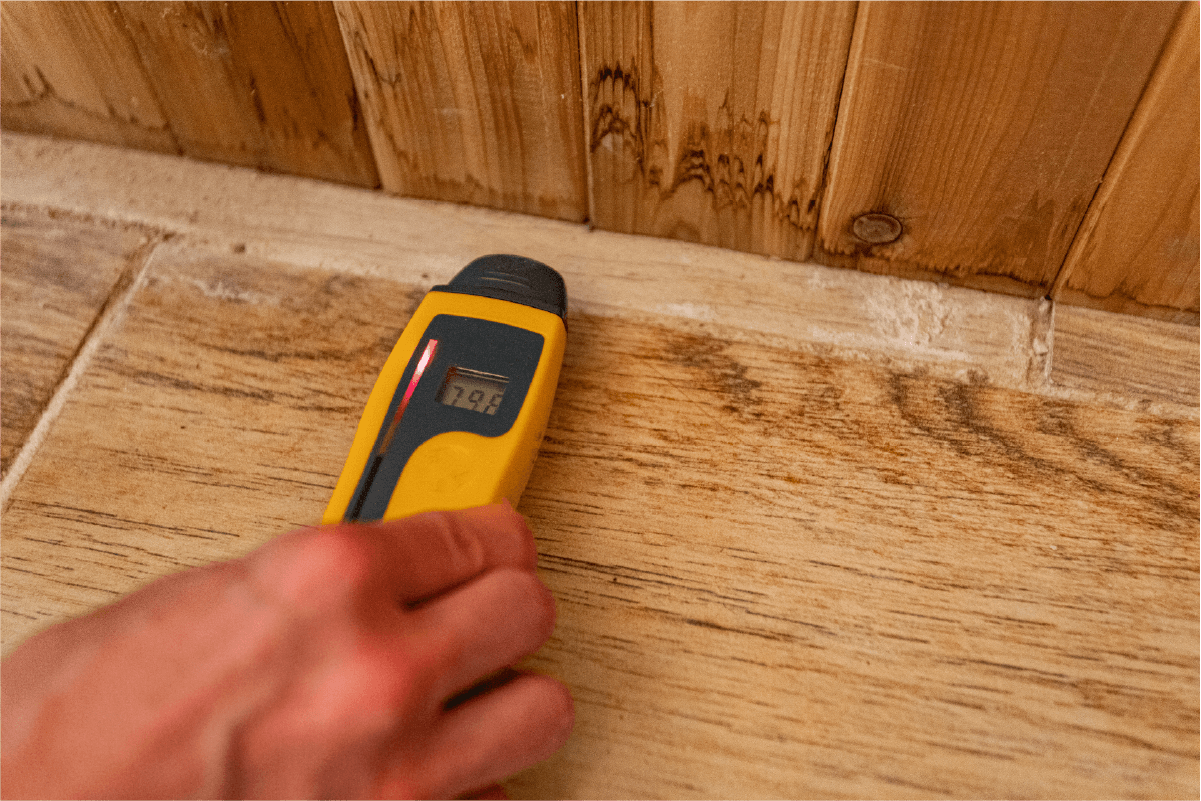
Professional restoration starts by determining where the water traveled. Technicians use moisture-detection equipment and material readings to map affected areas before developing a drying plan. ANSI/IICRC S500 also calls for restorers to document relevant project information and use qualified training, education, and experience when restoring water-damaged structures.
Consider a refrigerator supply-line leak in a Davidson County home. The homeowner may dry the visible puddle in the kitchen, while water has already migrated beneath plank flooring and into the adjacent wall. A professional inspection can identify that hidden moisture before the homeowner assumes the problem has been solved.
Rytech Restoration of Nashville focuses on restoring materials whenever conditions allow. Accurate moisture detection and controlled drying can reduce unnecessary demolition and help preserve building materials that might otherwise be removed.
Myth: “Mold Only Develops After a Long Time”
Mold does not need weeks of standing water before moisture becomes a concern. Mold spores naturally exist in indoor and outdoor environments, and damp building materials can provide conditions that support growth.
The U.S. Environmental Protection Agency recommends drying wet or damp materials within 24 to 48 hours to help prevent mold growth. The EPA also notes that mold may begin growing when spores land on wet surfaces.
That 24-to-48-hour guidance should not be treated as a countdown clock guaranteeing that every material remains unaffected until hour 48. Conditions vary. Temperature, material type, contamination, humidity, and how long materials remain wet all influence what happens after a water intrusion. ANSI/IICRC S500 similarly recognizes that microorganisms can increase after materials become wet and that time and temperature can affect contamination conditions.
Fast action gives the restoration team more options. When water is removed and materials begin controlled drying early, more of the structure may remain salvageable.
Myth: “Drying Out My Home Only Takes a Day or Two”
There is no universal two-day drying schedule.
A small water loss involving limited, easily accessible materials may progress quickly. A larger loss involving hardwood, multiple layers of flooring, cabinets, wall cavities, insulation, or other moisture-sensitive materials can require more time. Nashville's weather conditions can also influence the drying environment.
Professional restorers do not determine completion by counting days. ANSI/IICRC S500 calls for psychrometric conditions and material moisture measurements to be recorded during drying, generally at least daily, with the drying plan adjusted when measurements do not show satisfactory progress. Drying equipment should remain in operation until established drying goals have been achieved and documented.
Think of the process as measured drying rather than timed drying. The calendar tells you how long equipment has been running. Moisture readings tell the restoration team whether the materials are actually reaching the goal.
Myth: “A Little Water Can’t Cause Much of a Problem”
The amount of water you can see does not necessarily equal the amount of material affected.
A slow toilet-supply leak may look like a small inconvenience, yet water can follow seams and penetrations into flooring or wall assemblies. A minor roof leak can repeatedly wet insulation or framing. In commercial properties, water can also travel through penetrations and affect spaces below the original loss.
This matters across Nashville, Franklin, Brentwood, Murfreesboro, Smyrna, Antioch, Mount Juliet, Clarksville, and surrounding Middle Tennessee communities because buildings vary widely in age, construction, flooring systems, and materials.
“One lesson our Nashville team sees again and again is that the visible water rarely tells the whole story. Middle Tennessee properties range from older homes with hardwood and traditional framing to newer homes, multifamily properties, offices, and commercial buildings with layered flooring and complex assemblies. Our experience with local construction and common losses like plumbing failures, appliance leaks, roof intrusion, and storm-related water helps us know where to look beyond the obvious wet spot.”
Alec Bailey, Owner, Rytech Restoration of Nashville
That is why a comprehensive moisture inspection often provides far more useful information than judging the loss by puddle size.
Myth: “Household Cleaning Products Are Enough for Water Damage Cleanup”
Water restoration and ordinary housecleaning solve different problems.
A household cleaner may clean a surface, but it cannot extract water from a floor assembly, measure moisture inside drywall, control humidity, or determine whether contaminated water has affected porous materials. Cleaning chemistry also does not replace physical removal of water and controlled drying.
The source and condition of the water influence the appropriate cleaning procedures. When contamination is present, restoration professionals evaluate affected materials and establish controls appropriate to the loss rather than simply applying a general-purpose cleaner.
Professional restoration therefore addresses the water, the affected materials, the drying environment, and any contamination concerns as parts of the same project.
Myth: “Everything Can Always Be Restored After Water Damage”
Restoration professionals work to save materials, but responsible restoration also means recognizing when something cannot be successfully restored.
Salvageability depends on the type of material, contamination, physical damage, how deeply water penetrated, how long the material remained wet, and whether the material can be properly cleaned and dried. ANSI/IICRC S500 recognizes that some structural materials, assemblies, and contents cannot be successfully restored despite restoration efforts.
A solid wood component affected by sanitary water may offer different restoration options than highly absorbent material exposed to sewage. Likewise, a valuable or sentimental possession deserves an evaluation based on more than its replacement price.
Rytech's restoration-first approach aims to preserve salvageable materials and limit unnecessary demolition. When a damaged material is beyond successful restoration, the affected material is removed as part of the mitigation scope.
Myth: “Appliances Are Safe to Use Once They Look Dry”
A dry exterior does not tell you what happened inside an appliance or electrical component.
Floodwater, a plumbing failure, or water flowing from another part of the building can reach wiring, motors, controls, connections, and other components hidden from view. Plugging an appliance back in because its outer surface feels dry skips the part that matters: determining whether internal components were affected.
Water-damaged electrical systems and appliances require evaluation by appropriately qualified professionals when conditions call for it. Restoration technicians can document where water traveled and help identify affected areas so the right specialist can evaluate equipment before it returns to service.
For commercial property managers, that same principle applies to mechanical systems, office equipment, production equipment, and other building systems exposed during a water loss.
Myth: “Water Is Water. It’s All the Same.”
The ANSI/IICRC S500 Standard classifies water according to the range of contamination associated with its source and its condition after contacting materials.
Category 1 water originates from a sanitary source. Examples can include a broken water supply line or certain appliance supply-line failures.
Category 2 water contains significant contamination and can contain potentially unsafe levels of microorganisms, nutrients for microorganisms, or other organic or inorganic matter.
Category 3 water is grossly contaminated and can contain pathogenic, toxigenic, or other harmful agents. Examples include sewage and certain forms of outside flooding.
The category can also change as conditions develop. Time, temperature, the materials contacted, and existing contamination all matter.
That is why the first question should not simply be, “How much water is there?” The restoration team also needs to determine where it came from, what it contacted, and what conditions developed afterward.
Myth: “Standard Fans and Dehumidifiers Work Just as Well as Professional Equipment”
Air movement is only one part of structural drying.
Professional restoration combines water extraction, air movement, dehumidification, moisture measurement, psychrometric evaluation, equipment placement, and ongoing monitoring. The equipment works as a system designed around the materials and conditions at that particular loss.
A household fan may move air across the visible surface of a floor. It does not tell you whether moisture remains beneath that floor. A small residential dehumidifier may remove some moisture from the air, but that alone does not establish whether the drying environment can handle the moisture load created by a significant water intrusion.
Rytech Restoration technicians use professional drying equipment and moisture-detection technology to build the drying plan around measured conditions. When readings show that drying is not progressing as expected, equipment placement, quantity, drying conditions, or access to affected materials can be adjusted. That measured approach aligns with ANSI/IICRC S500 drying practices.
Myth: “There Are No Health Risks If Water Is Cleaned Up Quickly”
Prompt cleanup reduces the opportunity for conditions to worsen, but speed does not erase the need to understand what the water contacted.
Water can carry contaminants from its source or pick them up while moving through a building. Sewage creates very different conditions from a broken sanitary supply line. Wet materials can also support microbial activity when moisture remains available.
Mold introduces another consideration. The EPA notes that molds can produce allergens and that moisture control is the key to controlling indoor mold growth.
Professional guidance helps match the response to the actual conditions. That may include contamination controls, appropriate personal protective equipment, cleaning procedures, material removal, structural drying, or professional mold containment and removal when mold growth is present.
Myth: “Professional Water Damage Restoration Is Always Too Expensive”
The lowest initial cleanup cost and the lowest total property-loss cost are not always the same thing.
Imagine a small supply-line leak under a bathroom vanity. Drying only the visible floor may look inexpensive today. If moisture remains trapped beneath the vanity or inside the wall, later deterioration or microbial growth can expand the affected area and create additional work.
Professional restoration focuses on identifying the extent of damage early, preserving materials when practical, and documenting what was found and performed. That approach can reduce unnecessary demolition and help prevent avoidable secondary damage.
For insured losses, many property owners have never handled a water-damage claim before. Rytech Restoration of Nashville can help document the project with readings, photos, scope information, and other file documentation while communicating with insurance professionals involved in the claim. Clear documentation gives property owners, agents, adjusters, and carriers a common record of the restoration process.
Myth: “Once the Area Looks Dry, There’s No Lasting Problem”
Dry-looking and dry are not interchangeable terms.
Paint can look normal while the drywall behind it remains elevated in moisture. Flooring can feel dry while the subfloor below remains affected. Baseboards may hide moisture along the lower portion of a wall, and cabinets can conceal wet materials at their backs or bases.
Professional drying uses a dry standard and drying goals rather than visual appearance alone. ANSI/IICRC S500 describes a dry standard as a reasonable approximation of a material's moisture condition before the intrusion. The standard also recommends documenting drying goals for specific materials and verifying them with appropriate moisture measurements.
For a Nashville property owner, that creates a much better question than “Does it look dry?”
Ask: “What do the moisture readings show?”
Myth: “If I Don’t See Damage Right Away, There Isn’t a Problem”
Water follows gravity, openings, seams, material interfaces, and paths that may never be visible from the occupied side of a room.
A ceiling stain might appear several feet from the roof opening that caused it. Water from a dishwasher may migrate under cabinets before appearing at an exposed flooring edge. In a commercial building, water can move through wall cavities or penetrations and show up on another level.
Restoration professionals use tools such as moisture meters and other detection equipment to investigate those areas. Measurements help establish which materials are affected, create drying goals, monitor progress, and confirm when those goals have been reached.
Rytech's emphasis on advanced detection is particularly valuable here. Finding moisture accurately can allow technicians to target the affected area rather than removing materials simply to find out whether they are wet.
How Professionals Decide What to Restore and What to Remove
Restoration versus removal is not a one-question decision.
Technicians consider the material itself, water category, contamination, physical condition, length of exposure, accessibility, drying potential, and the agreed project scope. Contents can also involve monetary, functional, or sentimental value.
The objective is straightforward: restore what can be successfully restored and remove damaged materials that cannot.
That philosophy matters to property owners because unnecessary demolition creates additional disruption. It matters to property managers because every removed building component can affect operations and occupancy. It also matters to insurance professionals because accurate documentation and a defensible restoration scope create clearer communication among everyone involved in the loss.
Science-based restoration gives those decisions a measurable foundation instead of relying on assumptions.
Why Trust Water Damage Restoration Professionals in Nashville?
A professional restoration company brings more than drying equipment through the front door.
Qualified technicians know how to inspect the loss, identify affected materials, determine water conditions, extract water, establish drying goals, create an appropriate drying environment, monitor material moisture, document progress, and adjust the plan when the numbers show that drying needs to improve. ANSI/IICRC S500 specifically recognizes education, training, experience, project documentation, moisture measurement, and drying verification as parts of professional water damage restoration.
Rytech Restoration has served the restoration industry since 1995, and the brand combines more than 30 years of experience with local, IICRC-certified restoration expertise. Rytech Restoration of Nashville brings that system to homeowners, businesses, property managers, insurance professionals, and referral partners throughout Davidson County and surrounding Middle Tennessee communities.
Our approach centers on fast response, drying science, advanced moisture detection, detailed project documentation, and restoring salvageable materials whenever conditions allow. For customers navigating an insurance claim for the first time, the team can also help explain the restoration process and maintain the documentation insurance professionals need.
When a pipe breaks at home, a sprinkler line releases in a commercial building, or a storm sends water where it does not belong, you need facts quickly. Working with an experienced provider of water damage restoration services in Nashville gives you a trained local team backed by established restoration systems and industry standards.
Get Inspected to Stay Protected
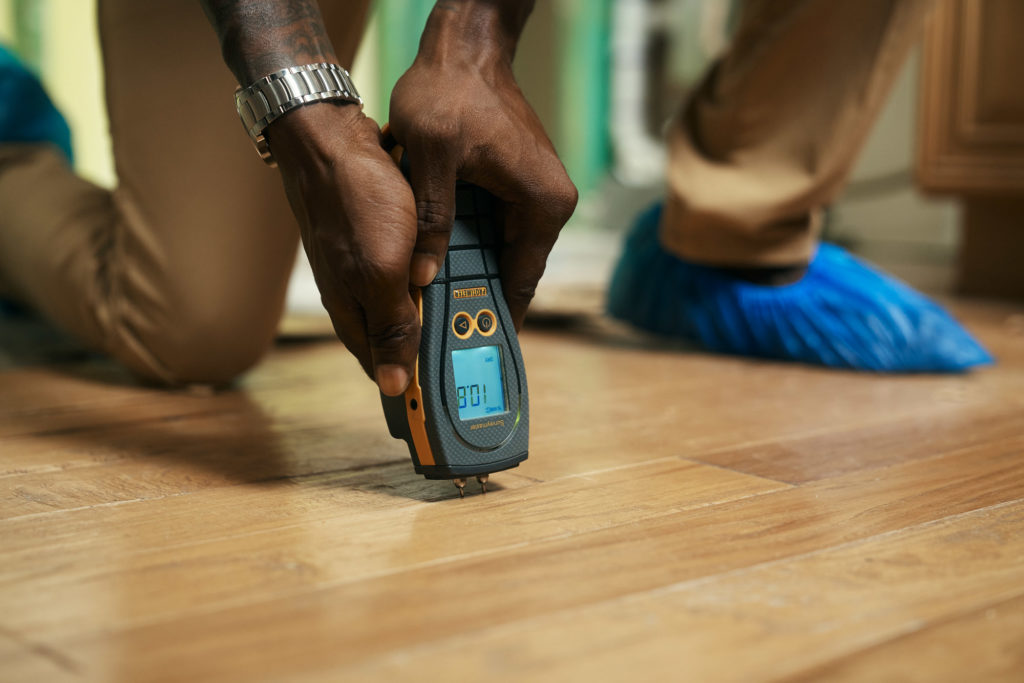
Water damage does not have to look dramatic to deserve a closer look. If you have discovered a leak, experienced flooding, noticed a new water stain, found wet flooring, or simply are not sure whether a previous water problem dried correctly, an inspection can replace guesswork with measurable information.
Rytech Restoration of Nashville serves Nashville and Davidson County along with communities including Franklin, Brentwood, Smyrna, Murfreesboro, Antioch, Mount Juliet, Clarksville, and Columbia. Our team helps residential and commercial customers understand what was affected, what can be restored, and what the next steps should be.