
Understanding Water Damage in Nashville and Davidson County
Water damage in Nashville rarely happens the same way twice. One day, it’s a burst pipe in a Franklin office building. The next, it’s heavy rain pushing water into a crawlspace in Antioch. Across Davidson County, changing weather patterns and aging infrastructure create a mix of risks that property owners face year-round.
At Rytech Restoration of Nashville, we guide homeowners, commercial property managers, and insurance partners through these situations every day. This article breaks down how water damage starts, how it spreads, and what you can do to protect your property in Middle Tennessee.
Common Causes of Water Damage in Middle Tennessee
Water damage in Nashville often begins with something small that turns into something bigger. A minor plumbing leak in a Brentwood home may go unnoticed until flooring begins to warp. In Murfreesboro, a water heater failure can release gallons of water in minutes.
Storms also play a major role. Heavy rainfall across counties like Williamson, Rutherford, and Montgomery can overwhelm drainage systems, allowing water to enter structures. Roof leaks and foundation cracks add another layer of risk, especially in older buildings throughout Davidson County.
Each cause influences how water behaves inside a structure. Clean water from a supply line behaves differently than water that has traveled through soil or building materials. That difference shapes how the restoration process unfolds.
Categories of Water Damage and Why They Matter
Water damage falls into three categories based on contamination. Clean water starts from sources like broken supply lines. Gray water carries contaminants from appliances. Black water includes sewage or floodwater and introduces harmful substances into the environment.
Water does not stay the same over time. According to ANSI/IICRC S500 standards, clean water can deteriorate into a more contaminated category as it interacts with materials and microorganisms. This shift increases both risk and complexity, which is why timing matters in every situation.
Signs of Water Damage You Should Never Ignore
Water leaves behind clear signals if you know where to look. In Nashville homes, ceiling stains often appear after a storm passes through. In commercial spaces in Clarksville, flooring may begin to buckle or feel soft.
A musty odor often signals trapped moisture. That smell usually points to areas where water has been sitting long enough to affect materials. You may also notice bubbling paint, warped drywall, or subtle structural shifts like sagging ceilings.
These signs tell a story. The earlier you notice them, the more control you have over the outcome.
What to Do Immediately After Water Damage Occurs
When water damage happens, your first moves shape everything that follows. Stopping the water source prevents further spread. Moving contents out of affected areas helps protect what matters most.
Taking photos creates a clear record of the situation. This step helps during the insurance process and provides a timeline of events. From there, bringing in a professional to evaluate the damage ensures that nothing hidden is overlooked.
Why Quick Action Changes the Entire Outcome
Water moves fast, especially in Nashville’s humid climate. Within hours, moisture begins to penetrate porous materials like drywall, insulation, and wood framing. Within a day, conditions may support microbial growth.
A fast response limits how far moisture travels. It preserves more of the structure and reduces the extent of contamination. Acting within the first 24 to 48 hours produces a more controlled and efficient restoration process.
How Water Extraction and Drying Actually Work
Removing visible water is only the first step. Moisture often remains hidden inside materials, which requires a structured drying process.
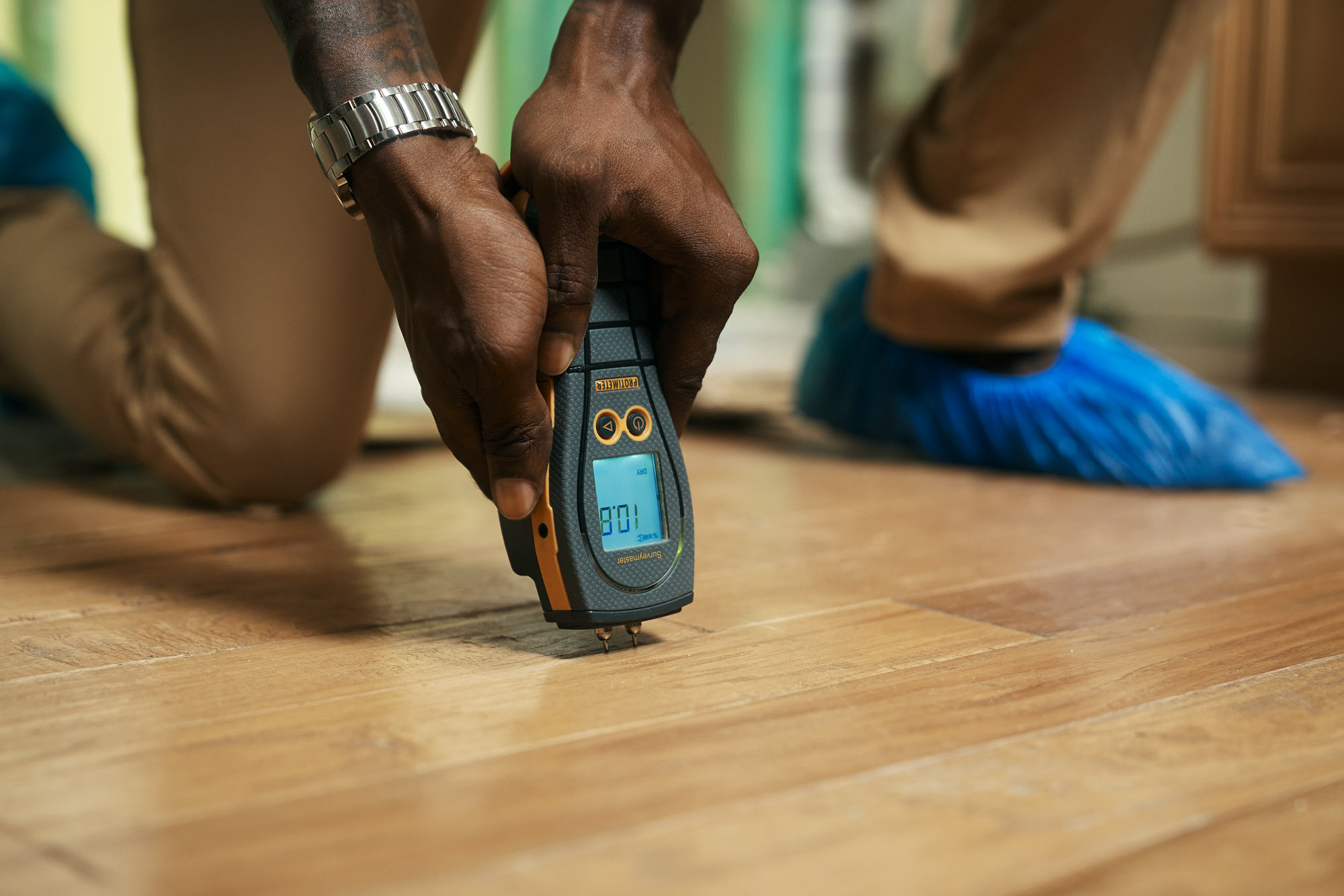
Professional-grade equipment removes standing water, then controlled airflow and dehumidification target deeper moisture. Monitoring tools track progress and confirm when materials reach acceptable moisture levels.
These processes follow established industry guidelines, ensuring that drying is thorough and measurable rather than guesswork.
Mold Prevention in Nashville’s Humid Environment

Humidity in Middle Tennessee creates conditions where moisture lingers longer than expected. When materials remain damp, mold growth becomes more likely.
You might notice a musty smell or small discolorations on surfaces. These signs point to an environment where spores are active. Proper containment and removal focus on reducing airborne particles and restoring safe indoor conditions.
Equipment That Makes Restoration Effective
Modern restoration relies on advanced tools designed for precision. High-powered extractors remove water efficiently, while dehumidifiers and air movers create the right drying conditions.
Moisture meters and thermal imaging devices locate hidden water. Air filtration systems help maintain indoor air quality during the process. Each piece of equipment works together to create a controlled environment for recovery.
Health and Safety Considerations During Water Damage
Water damage can introduce contaminants that affect indoor environments. Exposure to certain types of water or prolonged moisture can impact both occupants and materials.
Professionals follow strict safety protocols, including protective equipment and controlled work areas. These practices protect everyone involved while maintaining a safe path forward.
Navigating the Insurance Process with Confidence
Many property owners in Nashville feel uncertain about how insurance works during water damage events. Clear documentation changes that experience.
Photos, detailed notes, and accurate timelines provide the information needed for adjusters and carriers to evaluate the situation. Working with professionals who understand this process helps keep everything organized and transparent.
What Impacts the Cost of Water Damage Restoration
Every project looks different. A small residential leak in Smyrna will not carry the same scope as a large commercial loss in downtown Nashville.
Factors such as the size of the affected area, the category of water, and how long materials remained wet all influence the process. Mold presence and accessibility also affect how the work is approached.
DIY vs Professional Restoration in Real Situations
Handling minor moisture on your own may seem manageable. The challenge comes from what you cannot see. Water often hides behind walls or beneath flooring.
Without proper equipment, that hidden moisture remains. Over time, it creates ongoing issues that are harder to detect. Professional restoration focuses on complete moisture removal and verified results.
Preventing Future Water Damage in Nashville Properties
Prevention starts with understanding your property. Regular inspections of plumbing, roofing, and drainage systems reduce risk. In areas like Brentwood and Franklin, proper grading around the home directs water away from the foundation.
Installing leak detection systems and maintaining appliances helps catch problems early. These steps reduce the likelihood of unexpected damage.
What the Restoration Timeline Looks Like
The restoration process follows a clear progression. Day one focuses on water removal and initial evaluation. Over the next few days, drying and monitoring take place.
As materials stabilize, cleaning and sanitation follow. Each phase builds on the last, creating a structured path from damage to recovery.
Following Industry Standards in Water Damage Restoration
Restoration work follows guidelines established by the ANSI/IICRC S500 standard. These standards define how professionals inspect, document, and manage water damage projects.
Following these standards ensures consistency and quality across every project. It also provides a clear framework for decision-making throughout the process.
Local Insight from Rytech Restoration of Nashville
Alec Bailey, owner of Rytech Restoration of Nashville, brings a local perspective shaped by years of experience in Middle Tennessee.
“In Nashville and across Davidson County, we see a wide range of construction styles, from historic homes to modern commercial buildings. Each one responds differently to water. Our team understands how local weather patterns, humidity, and building materials interact, and we use that knowledge to guide every project.”
Alec Bailey, Owner, Rytech Restoration of Nashville
That local understanding helps property owners make informed decisions when it matters most.
Partnering with a Team That Understands Nashville

When water damage affects your property, clarity makes all the difference. Knowing what is happening and what comes next removes uncertainty and helps you move forward with confidence.
If you are looking for guidance on water damage restoration services in Nashville, Rytech Restoration of Nashville provides insight backed by experience across Davidson County and surrounding areas.
FAQs: Answering Your Pressing Water Damage Restoration Questions
At Rytech Nashville, we understand that water damage can be overwhelming. To help you during this challenging time, we've compiled a list of FAQs. Here, you'll find detailed information about our services, the restoration process, and what to expect when you work with us.