

When mold appears in a home or business, it’s more than a cosmetic issue. In a humid region like Nashville, TN, mold thrives in damp basements, crawlspaces, and anywhere moisture lingers after a leak or flood. At Rytech Restoration of Nashville, our IICRC-certified mold remediation specialists in Nashville follow industry standards outlined in the ANSI/IICRC S520 Standard for Professional Mold Remediation to safely contain, remove, and restore properties affected by mold.
This guide explains how mold remediation works, why it matters, and what property owners in Davidson County and surrounding areas can do to protect their spaces from recurring issues.
What Causes Mold Growth in Nashville Properties
Mold grows when excess moisture and organic materials come together in a poorly ventilated space. Whether caused by leaky roofs, plumbing issues, or flooding, trapped moisture becomes the doorway to mold infestation. Nashville’s climate—with warm summers and frequent rainfall—makes homes and businesses especially prone to these conditions.
Moisture intrusion behind drywall, under flooring, or within HVAC systems often goes unnoticed until mold colonies surface. Early detection prevents small issues from becoming large remediation projects. The IICRC S500 Standard for Professional Water Damage Restoration emphasizes drying and dehumidification as the first defense against microbial growth.
Health Risks Associated With Mold Exposure
Exposure to mold can affect anyone, but certain groups—children, older adults, and those with weakened immune systems—are more susceptible. Short-term exposure may cause allergic reactions, headaches, or skin irritation, while prolonged contact can lead to respiratory complications or asthma flare-ups.
In multi-unit or commercial buildings across Brentwood, Franklin, and Murfreesboro, hidden mold can degrade indoor air quality and affect employee or tenant wellbeing. Addressing contamination promptly not only restores property conditions but also protects occupants’ health.
Recognizing the Signs of a Mold Problem
Mold doesn’t always make itself visible right away. Property owners often first notice a persistent musty odor or unexplained allergy symptoms. Over time, dark stains on drywall, ceilings, or window frames may appear, signaling microbial growth.
In many Davidson County homes, crawlspaces or basements with poor ventilation are hotspots for mold. Visible mold is only part of the problem—contamination can extend behind walls or under flooring where moisture remains trapped.
Mold Inspection and Testing Procedures
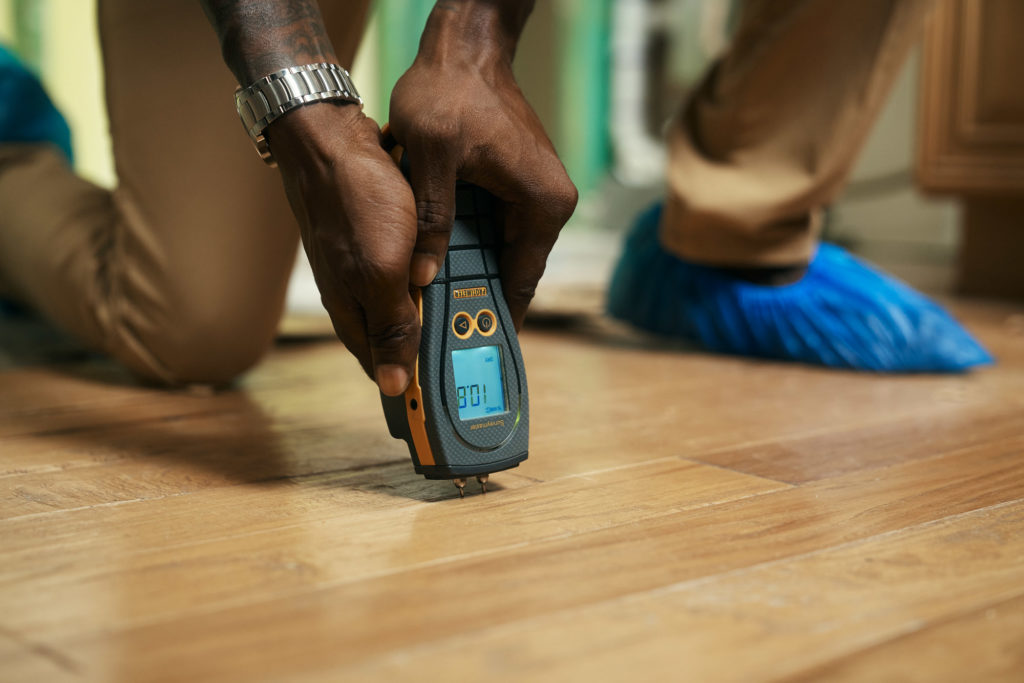
Professional inspection is the foundation of every remediation project. A certified mold specialist from Rytech Restoration evaluates affected areas using specialized tools like moisture meters, thermal imaging cameras, and air sampling equipment.
These tools reveal temperature variations, hidden leaks, and airborne spore concentrations to determine the extent of the infestation. Following IICRC S520 standards, our team uses these findings to create a safe, data-driven remediation plan.
Step-by-Step Overview of the Mold Remediation Process
Every mold remediation project in Nashville begins with precision and containment. Rytech Restoration’s process includes:
- Inspection and Assessment – Identifying affected materials and moisture sources.
- Containment – Isolating the area with negative air pressure barriers.
- Air Filtration – Using HEPA-filtered equipment to capture airborne spores.
- Mold Removal – Cleaning or removing contaminated materials safely.
- Cleaning and Sanitization – Wiping, vacuuming, and neutralizing surfaces.
- Restoration – Returning cleaned areas to normal environmental conditions.
Each step follows the ANSI/IICRC S520 procedural standard to ensure mold removal is safe, effective, and thoroughly documented.
Containment and Air Filtration Techniques
Containment prevents cross-contamination between affected and unaffected areas. Rytech technicians install physical barriers, such as plastic sheeting or sealed doorways, and create negative air pressure zones using HEPA-filtered air scrubbers.
This approach isolates mold spores and keeps them from spreading through air ducts or occupied rooms—a key recommendation in both S520 and S700 standards for safe indoor environmental restoration.
Mold Removal Methods and Equipment

Effective mold remediation requires a combination of manual removal and advanced cleaning equipment. HEPA vacuums capture microscopic spores, while wire brushes and industrial-grade cleaners remove residue from hard surfaces.
Porous materials like insulation or drywall that cannot be restored are carefully removed and bagged for safe disposal, reducing airborne contamination. Rytech’s specialists apply antimicrobial cleaning solutions to eliminate remaining spores and prevent regrowth without harming surrounding materials.
Drying and Dehumidification
The ANSI/IICRC S500 emphasizes moisture control as the cornerstone of successful remediation. After cleaning, Rytech technicians use professional-grade dehumidifiers and air movers to reduce humidity to safe levels.
Ongoing monitoring with digital hygrometers ensures the environment remains dry long after remediation is complete. This scientific approach prevents mold from reappearing and stabilizes the property’s structural materials.
Preventing Future Mold Growth
Mold prevention begins with moisture management. Property owners in Williamson and Rutherford Counties can reduce risks by sealing leaks, improving ventilation in bathrooms and attics, and installing dehumidifiers in basements.
Regular inspections—especially after water damage or storms—help identify hidden moisture before it turns into mold. Rytech Restoration offers professional moisture mapping to assist homeowners and property managers in keeping their spaces protected year-round.
When to Hire Certified Mold Remediation Professionals
DIY mold cleanup may work for small, surface-level spots, but widespread growth, HVAC contamination, or recurring mold problems require professional expertise.
Certified remediation professionals like Rytech follow IICRC guidelines to handle complex contamination safely. They use protective equipment, advanced containment systems, and provide the documentation required for insurance and regulatory compliance.
“In Nashville, we work on properties ranging from historic homes in East Nashville to large commercial sites in Franklin. The materials and construction styles may differ, but our process stays consistent—identify the source, remove contamination, and restore safe air quality,” says Alec Bailey, Owner of Rytech Restoration of Nashville. “With nearly two decades of hands-on experience, we understand how Tennessee’s humidity and building materials interact—and that makes all the difference in mold remediation.”
Alec Bailey, Owner, Rytech Restoration of Nashville
Understanding Mold Remediation Costs
The cost of mold remediation varies depending on the size of the affected area, level of contamination, and materials impacted. Smaller residential projects may involve a few hundred square feet, while large commercial facilities can span thousands.
Rytech Restoration provides transparent, detailed estimates based on IICRC measurement protocols. This ensures property owners and insurers understand the scope, timeline, and documentation required for the project.
Insurance Coverage for Mold Damage
In many cases, mold remediation may be covered by homeowner’s insurance if the damage results from a sudden and accidental water event, such as a burst pipe or roof leak. Rytech’s administrative team assists customers and insurance agents by documenting moisture events, compiling reports, and streamlining communication.
Working with an experienced restoration partner simplifies claims and ensures coverage aligns with policy conditions.
Post-Remediation Verification and Clearance Testing
Once remediation is complete, Rytech Restoration conducts post-remediation verification to confirm success. This involves surface sampling and air quality testing performed by an independent environmental professional when required.
Results confirm that the property has returned to Condition 1, as defined by the IICRC S520 Standard, meaning the indoor environment is safe and normal microbial ecology has been restored.
DIY vs. Professional Mold Remediation
DIY methods can temporarily reduce visible mold but rarely address hidden contamination or airborne spores. Without professional containment and drying, mold often returns.
Professional remediation provides verified results, ensures worker and occupant safety, and produces the documentation needed for compliance and peace of mind.
Compliance and Regulations in Tennessee Mold Remediation
In Tennessee, mold remediation professionals must adhere to national standards like the ANSI/IICRC S520, OSHA safety regulations, and EPA guidelines for environmental control. Following these standards ensures work meets the accepted standard of care—a key expectation for property managers and insurance carriers across Middle Tennessee.
Rytech Restoration’s certified technicians maintain compliance through ongoing training and documentation on every project.
FAQs About Mold Remediation in Nashville, Tennessee
If you're worried about mold remediation in Nashville, Tennessee, rest assured you're in good company. Numerous homeowners and property managers are looking for expert guidance to maintain safe and healthy environments. Here are some common questions that provide insights into the remediation process, associated costs, and expected timelines.