
If you are dealing with mold in your home in Nashville, TN, you are not alone. Many properties across Davidson County and surrounding areas like Franklin, Murfreesboro, and Clarksville experience mold growth after water damage or humidity issues. Mold remediation services in Nashville are designed to do more than clean a surface. They address the source, control the environment, and restore safe indoor conditions so you can move forward with confidence.
Understanding Mold Problems in Nashville Homes
Mold is a naturally occurring organism that grows when moisture and organic materials come together. Inside your home, that usually means drywall, wood framing, insulation, or flooring that has been exposed to water.
In Nashville, seasonal storms, high humidity, and older home construction styles create the perfect environment for mold to take hold. A slow leak under a kitchen sink in Brentwood or a roof issue after heavy rain in Mount Juliet can quietly lead to widespread contamination.
Mold signals a deeper issue. When moisture lingers, building materials begin to break down, and indoor air quality changes. Industry standards confirm that mold growth is directly tied to uncontrolled moisture conditions, which means addressing water sources is the first step in any remediation plan .
What Causes Mold Growth in Davidson County Homes
Homes throughout Nashville and surrounding counties like Williamson and Rutherford face a mix of moisture challenges. Sudden water events like pipe bursts or appliance failures create immediate risks, while ongoing humidity or ventilation issues slowly build up over time.
Basements in older Nashville homes, crawlspaces in Antioch, and attics in Franklin often trap moisture. That trapped moisture feeds mold growth. Even something as simple as a clogged gutter can push water into wall cavities.
The ANSI/IICRC S500 standard explains that when materials remain wet, microbial growth begins and contamination levels increase as time passes . That is why a small delay in addressing water damage can turn into a much larger mold problem.
Health Effects of Mold Exposure in Indoor Environments
Living with mold changes how your home feels. Many homeowners notice irritation in their throat, eyes, or skin. Others experience ongoing congestion or coughing that does not seem to go away.
Children, older adults, and individuals with existing respiratory conditions often react more quickly. In homes across Nashville, we frequently hear stories where families thought they had seasonal allergies, only to discover hidden mold growth behind walls or under flooring.
When mold remains untreated, exposure continues. That ongoing exposure increases the chances of persistent discomfort and reduced indoor air quality.
Recognizing the Signs of Mold in Your Home
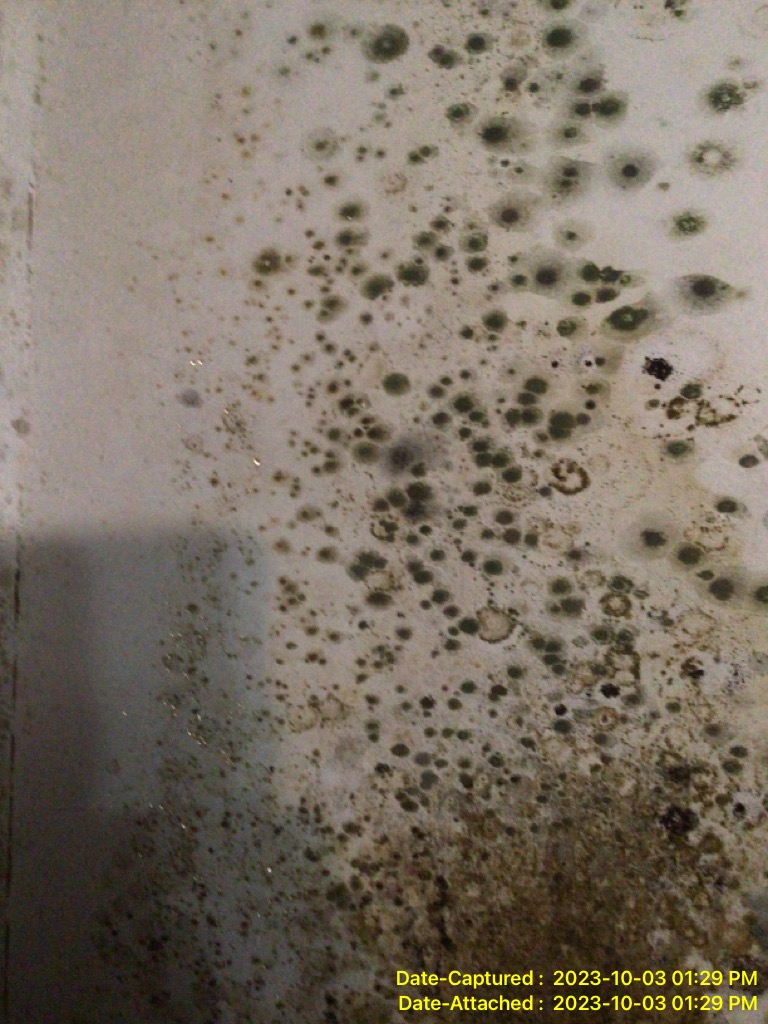
Visible mold often appears as dark spots, staining, or discoloration on walls and ceilings. Warping materials or peeling paint can also point to moisture behind the surface.
Hidden mold tells a different story. A musty odor that lingers no matter how much you clean is a strong indicator. Some homeowners in areas like Smyrna or Columbia notice symptoms that improve when they leave the house, which often leads back to indoor air conditions.
Mold and mildew are sometimes confused. Mildew tends to stay on the surface, while mold spreads deeper into materials, making professional remediation necessary in many cases.
Why Professional Mold Remediation Matters

Handling mold without the right process often spreads contamination instead of containing it. Disturbing affected materials releases spores into the air, which can travel into unaffected areas of the home.
Professional mold remediation follows a structured approach outlined in the ANSI/IICRC S520 standard. That approach focuses on containment, air control, and safe removal of contamination while protecting the rest of the property .
At Rytech Restoration of Nashville, our team uses advanced detection equipment and drying science to identify moisture sources and stop the problem at its origin. We focus on restoring materials whenever possible, reducing unnecessary demolition and helping homeowners recover faster.
How Mold Inspection and Testing Works
Every successful remediation project begins with a detailed inspection. Technicians assess visible conditions and use moisture meters and thermal imaging to locate hidden moisture.
In some situations, air sampling or surface testing helps define the extent of contamination. This step provides clarity, especially in commercial properties or multi-unit buildings across Davidson County where conditions can vary from one space to another.
The goal is simple. Identify the source, map the affected areas, and create a clear plan to move forward.
What Happens During the Mold Remediation Process
The process starts with containment. Barriers and negative air systems isolate the affected area, preventing cross-contamination. Air filtration devices capture airborne particles and improve indoor air conditions during the project.
From there, the team carefully removes materials that cannot be restored and cleans salvageable surfaces using specialized techniques. Every step follows industry-backed procedures designed to return the property to a normal indoor environment.
Detailed documentation and communication keep homeowners, property managers, and insurance partners informed throughout the process.
Timeline and What to Expect During Remediation
The timeline depends on the size of the affected area and how long moisture has been present. Smaller projects may take a few days, while larger or hidden issues can take longer.
Homeowners often ask what they need to do during this time. In many cases, certain areas of the home may need to remain off-limits while containment is in place. Clear communication from the restoration team helps set expectations and reduce uncertainty.
At Rytech Restoration of Nashville, updates are consistent. Photos, reports, and progress updates ensure everyone involved understands each step.
Post-Remediation Verification and Indoor Air Quality
Once remediation is complete, verification confirms that the process worked as intended. The ANSI/IICRC S520 standard emphasizes post-remediation evaluation to ensure contamination has been effectively addressed .
Third-party indoor air quality testing may be used to validate results. This step provides peace of mind for homeowners and supports documentation for property managers and insurance partners.
Understanding Costs and Insurance Support
Costs vary based on the size of the affected area, the materials involved, and how long the issue has been present. A small isolated area will require a different approach than a multi-room contamination.
Insurance coverage often depends on the cause of the moisture. Sudden water events may be covered, while long-term issues may not be. Many homeowners are unfamiliar with how this works.
Rytech Restoration of Nashville helps guide clients through the process. With strong insurance relationships and detailed documentation, our team supports a smoother path from inspection to project completion.
DIY Mold Removal vs. Professional Help
Small surface-level issues may be manageable with proper cleaning. Once mold extends into walls, insulation, or flooring, the situation changes.
Incomplete removal allows mold to return quickly. Disturbing contaminated materials without containment spreads spores into new areas. Professional remediation provides a controlled, effective solution that addresses the full scope of the issue.
Preventing Mold from Returning
Prevention begins with moisture control. Regular inspections of plumbing systems, roofing, and HVAC components help catch issues early.
In Nashville’s climate, managing indoor humidity plays a major role. Dehumidifiers, proper ventilation, and airflow improvements in areas like basements and crawlspaces reduce the chances of future growth.
Small maintenance steps today prevent larger restoration projects later.
Building Smarter with Mold-Resistant Materials
Homeowners planning upgrades in areas like bathrooms or basements can benefit from materials designed to resist moisture. Mold-resistant drywall, treated insulation, and specialized coatings provide added protection.
In neighborhoods across Nashville and surrounding counties, these improvements help maintain long-term indoor air quality and reduce the likelihood of recurring issues.
Regulations and Standards That Guide Mold Remediation
Mold remediation follows established industry standards that prioritize safety, documentation, and effective contamination removal. These standards guide how projects are planned, executed, and verified.
Organizations like the IICRC provide the framework that restoration professionals follow to ensure consistent and reliable outcomes across residential and commercial properties.
Choosing the Right Mold Remediation Partner in Nashville
Selecting the right contractor makes a measurable difference. Certifications, experience, and response time all play a role.
Rytech Restoration of Nashville brings over 30 years of industry experience through its national network, combined with local expertise in Davidson County and surrounding areas. Our team focuses on fast response, minimal disruption, and clear communication from start to finish .
“In Nashville, we see mold issues tied to crawlspaces, older homes with limited ventilation, and sudden storm-related water damage. Our team understands how local construction and materials respond to moisture, so we can contain the issue quickly and restore the environment without unnecessary disruption.”
Alec Bailey, Owner, Rytech Restoration of Nashville
What Homeowners Should Do Before and After Remediation
Preparing for remediation helps the process move efficiently. Clearing access to affected areas and securing personal belongings allows technicians to work safely.
After the project, monitoring humidity levels and addressing any new moisture concerns keeps the environment stable. Ongoing awareness protects your investment and your indoor air quality.
Take the Next Step Toward a Healthier Property

If you are dealing with mold or suspect hidden moisture in your home or commercial property, now is the time to act. Learn more about our professional mold remediation services in Nashville and how we help property owners across Nashville, TN recover quickly.
FAQs About Mold Remediation in Nashville, Tennessee
If you're worried about mold remediation in Nashville, Tennessee, rest assured you're in good company. Numerous homeowners and property managers are looking for expert guidance to maintain safe and healthy environments. Here are some common questions that provide insights into the remediation process, associated costs, and expected timelines.